

02/06/2026
Superior Auto: A year in review with Space Auto
Most Dealership Websites Fail at SEO. Here’s What Superior Auto Did Differently
Most dealership websites don’t fail because of bad marketing.
They fail because they were never designed to be found.
Superior Auto is a clear example of what happens when SEO is treated as infrastructure instead of a campaign. After rebuilding its website and search foundation with Space Auto, the company almost doubled organic traffic year over year, increased online credit applications by 40–50%, and exceeded its annual sales goal by 20%.

This wasn’t driven by higher ad spend, aggressive promotions, or short-term tactics. It was the result of deliberate decisions about architecture, content, and execution; decisions that many dealer groups avoid because they don’t show immediate gratification.
That’s exactly why this case matters.
The Structural Problem With Most Dealer Websites
Dealership websites are often treated as digital brochures. Inventory lives there. Contact forms live there. Occasionally a landing page gets added for a campaign. But discovery, real discovery, is rarely part of the design.
Superior Auto’s previous website wasn’t broken in a technical sense. It loaded. It listed vehicles. It functioned. But it had a fatal limitation: if a customer didn’t already know Superior Auto existed, they were unlikely to find it online.
There was little indexed content. No meaningful organic entry points. No strategy for capturing long-tail search intent in small, rural markets. The site depended almost entirely on brand awareness and physical proximity.
That approach caps growth. Especially in Buy Here, Pay Here models where customers search by payment needs, credit challenges, and availability, not brand names.
Why Superior Auto Chose to Rebuild, Not Patch
When Superior Auto evaluated its digital presence, leadership didn’t look for surface-level fixes. They ran a formal RFP and evaluated multiple vendors across dozens of criteria, SEO architecture, technical capability, scalability, integration, and support.
Cost was considered, but it wasn’t the driver. The priority was long-term performance and operational fit.
What made Space Auto stand out was not a single feature, but a philosophy: build the website as a demand engine, not a container. SEO wasn’t positioned as an add-on or a bolt-on service. It was foundational.
That distinction was subtle, but critical.
What Changed After Launch and Why It Worked
The most immediate result was volume. Organic traffic nearly doubled year over year, with consistent month-over-month growth. This happened without a meaningful increase in paid advertising. Traffic growth wasn’t spiky. It compounded.
At the same time, online credit applications increased by 40–50%. For a Buy Here, Pay Here operation, this matters more than generic lead counts. Applications represent intent. They represent customers entering a multi-year financial relationship, not just clicking a form.
Predictably, lead-to-sale conversion rates declined. That often alarms teams who are used to smaller funnels. But this wasn’t deterioration, it was math. A larger top-of-funnel introduces more variance. The important metric wasn’t conversion percentage. It was total outcomes.
Sales increased. Superior Auto exceeded its annual sales goal by 20%.
That result didn’t come from SEO alone. Inventory discipline and the addition of a BDC team contributed. But the website stopped being passive. It started generating consistent, predictable demand.
Why This Matters Beyond One Dealer Group
This case is not about Superior Auto’s size, geography, or financing model. It’s about how modern search actually works.
Search engines (and now AI systems) reward clarity, structure, and relevance. They surface sources that demonstrate real-world experience, not marketing language. They favor sites that answer specific questions consistently over time.
That’s where many dealer websites fail. They’re built for humans who already arrived, not systems designed to decide who gets surfaced in the first place.
Superior Auto’s results came from treating SEO as a system, not a tactic.
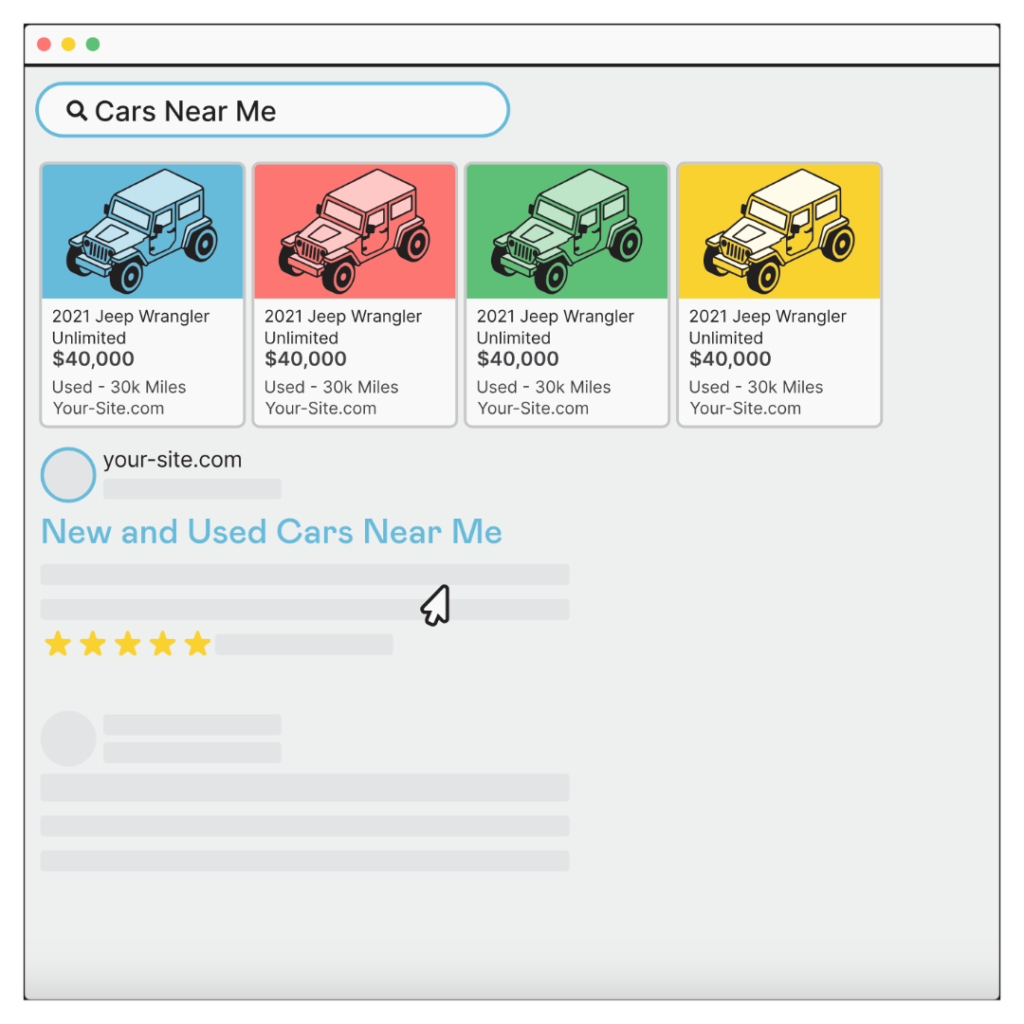
The Broader Lesson for Dealer Leadership
Websites should not be judged by how they look on launch day. They should be judged by how they perform six, twelve, and eighteen months later.
If organic traffic requires constant paid support, the foundation is weak.
If growth depends on brand recognition alone, discovery is broken.
If SEO is something you “add later,” it will always lag behind competitors who built it in from the start.
Superior Auto didn’t chase hacks. They invested in fundamentals. And fundamentals scale.
Final Thought
This is what modern dealership growth looks like. Not louder ads. Not more vendors. Not more tools.
Just a system designed to be found, trusted, and chosen… consistently.
That’s not a trend.
It’s the new baseline.